

Dubai, 14 September 2025 — In a match that was as much about geopolitics as cricket, India handed Pakistan a resounding seven-wicket defeat in their Group A Asia Cup clash in Dubai. But it was what happened after the final ball—and even before the toss—that grabbed headlines more than the victory.
The Match Recap
- Pakistan were bowled out for 127/9, with strong performances from India’s spinners who effectively choked the middle overs.
- In reply, India chased the target comfortably, reaching 128 with 4.1 overs remaining. Key batting came from Abhishek Sharma, Tilak Varma, and captain Suryakumar Yadav, who remained unbeaten.
What Went Wrong after the Game: No Handshake
Normally after a game, teams shake hands—at the toss, at the end, and during presentation ceremonies. But this time:
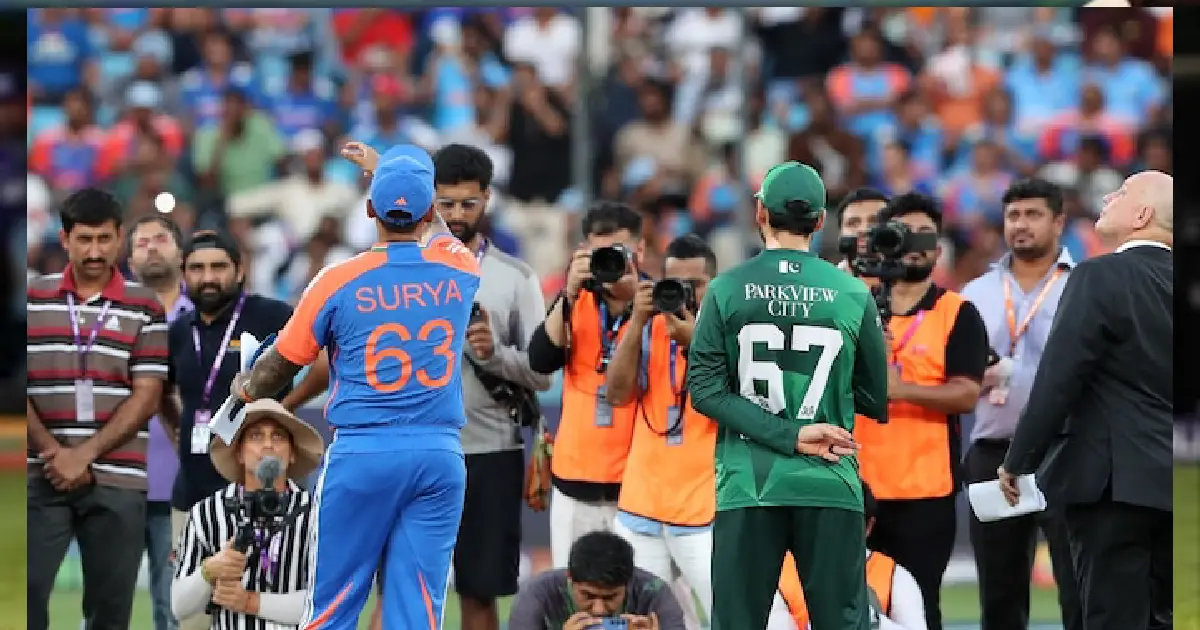
- Both teams’ captains skipped the handshake at the pre-match toss.
- After India sealed the win, the Indian players moved straight to the dressing room without shaking hands with the Pakistani team or even the match officials. Pakistan waited outside, but there was no interaction.
India’s Explanation & Political Undertones
India’s captain Suryakumar Yadav defended the gesture, stating that it was not just about cricket; it was a show of solidarity in light of recent events:
- The team dedicated the win to the victims of the Pahalgam terror attack and to India’s armed forces.
- Yadav said that few things in life are “ahead of sportsmanship.” He also mentioned that the decision had alignment from both BCCI and the Indian government.
Also read:- Half-Price Google Pixel 9 Deal: Get It For Less Than ₹35,000 This Big Billion Day Sale!
Responses & Backlash
The refusal to follow the usual post-match courtesies drew criticism:
- Pakistan coach Mike Hesson expressed disappointment, saying his team was willing to shake hands but found that India had already retreated.
- Mohsin Naqvi, ACC & PCB chief, called the move “a violation of the spirit of sportsmanship,” and said that dragging politics into sport is regrettable.
Why It Matters
This incident is significant for several reasons:
- Sporting Etiquette: Handshakes and post-match acknowledgments are part of fair play and traditional decorum in cricket. Refusing them sends a strong message.
- Political Context: Tensions between India and Pakistan have escalated since the Pahalgam terror attack and subsequent military operations. What happens on the field is often read as a symbolic gesture off the field.
- Fan Expectations & Media Scrutiny: Fans and media are deeply attentive to gestures in high-profile India-Pakistan matches. Acts that break convention tend to get amplified and may affect the narrative around sports diplomacy.
Also read:- Hero Xoom 160 Launched Next-Gen Power Scooter with Premium Styling
Looking Ahead
- India now leads Group A in the Asia Cup after this win and is likely to proceed to the Super 4 stage.
- Pakistan faces pressure to respond not just with performances on the field but also with statements off it.
- Debate will continue over whether cricket should remain isolated from political tensions or if sporting events inevitably reflect broader national moods.
Conclusion
While India’s victory over Pakistan in Dubai was decisive in cricketing terms, the post-match handshake snub has stirred much more conversation. Beyond the runs, wickets, and strategy, the incident underscores how cricket remains deeply interwoven with national sentiment in the subcontinent. Whether one views the action as justified or not, the ripple effects are already substantial.