


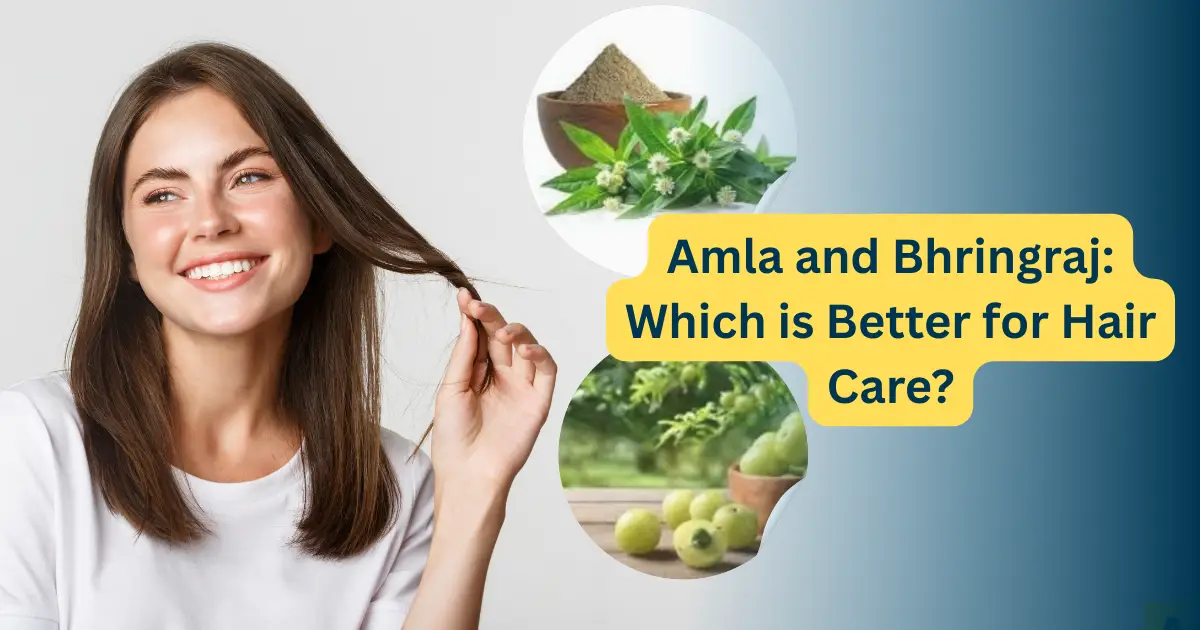
Amla vs Bhringraj: Which is Better for Hair Care: Healthy, shiny, and strong hair is everyone’s dream, but pollution, stress, and poor diet often damage hair health. In Ayurveda, Amla (Indian Gooseberry) and Bhringraj (False Daisy) are two of the most trusted herbs for natural hair care. Both are famous for promoting hair growth and reducing hair fall, but people often wonder.
AMLA ( INDIAN GOOSEBERRY )
Nutrients: Rich in Vitamin C, antioxidants, iron, and minerals.
Benefits for Hair Care:
Strengthens hair follicles – reduces breakage and split ends.
Prevents premature greying – high Vitamin C slows down hair aging.
Adds shine & volume – makes hair smooth and bouncy.
Improves scalp health – fights dandruff and dryness.
How To Use:
Amla oil massage (2–3 times a week).
Amla powder + yogurt hair mask.
Drinking amla juice daily for internal nourishment.
BHRINGRAJ (FALSE DAISY)
Nutrients: Contains iron, Vitamin E, magnesium, and bioactive compounds.
Benefits for Hair Care:
Promotes new hair growth – improves blood circulation in scalp.
Controls hair fall – strengthens roots deeply.
Treats dandruff & scalp infections – antifungal and antibacterial properties.
Nourishes dry, frizzy hair – gives softness and thickness.
How To Use:
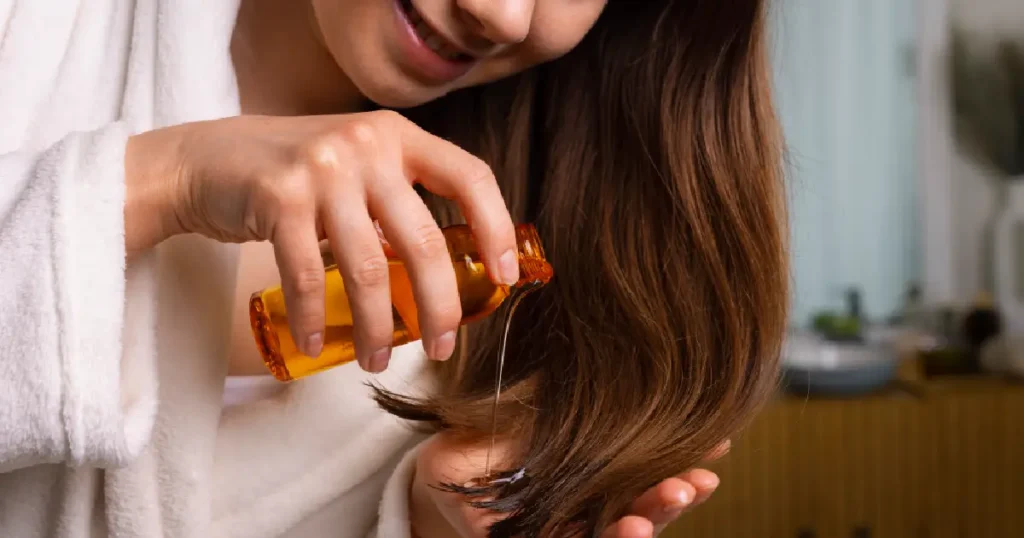
Bhringraj oil massage (overnight or 1–2 hours before wash).
Bhringraj powder with coconut oil as a mask.
Drinking bhringraj juice (limited, as per Ayurveda guidance).
Amla vs Bhtingraj: Which One Wins?
If your main issue is premature greying and weak hair, Amla works best.
If your main concern is hair fall and slow growth, Bhringraj is more effective.
For overall healthy, long, and strong hair → a combination of both gives the best results (many herbal oils already mix Amla + Bhringraj).
Final Conclusion
Both Amla and Bhringraj are powerful Ayurvedic remedies for hair. Instead of choosing one, you can use them together in oils, hair masks, or diet. Regular use for 2–3 months can make your hair stronger, shinier, and healthier naturally.
Also read:-