


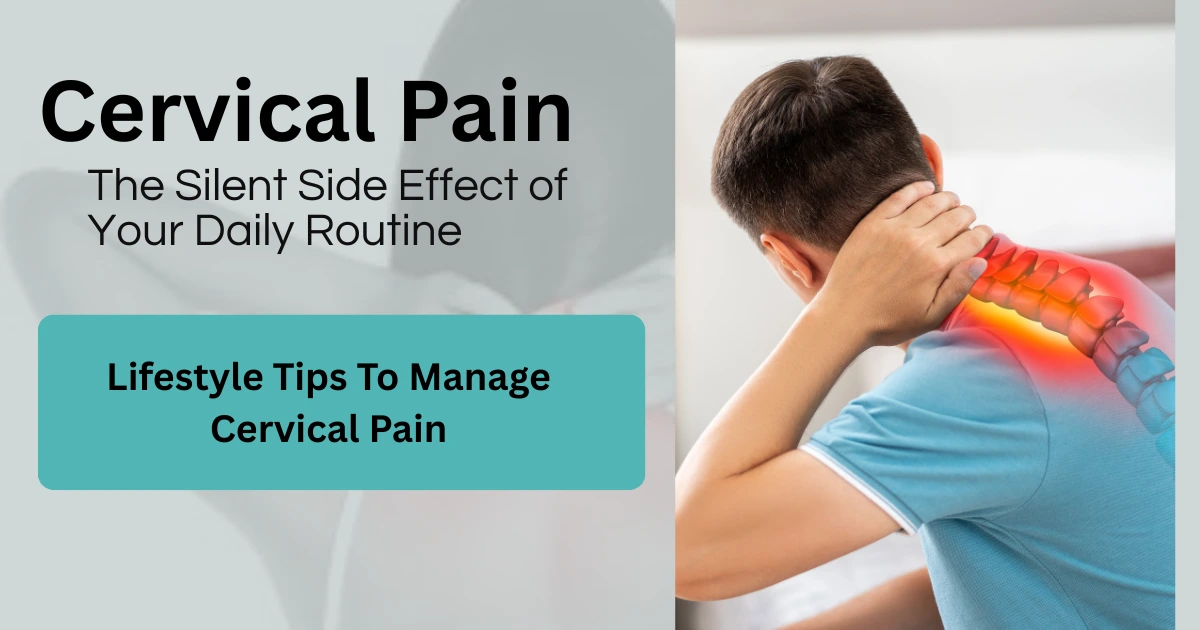
In today’s digital world, neck pain or cervical pain has become one of the most common health issues. Whether you are a student, a professional, or even a homemaker, long hours of mobile usage, working on laptops, or maintaining the wrong posture can trigger cervical problems. Many people ignore the early signs of neck pain, but if not managed on time, it may lead to long-term issues like cervical spondylosis.
What Is Cervical Pain?
The cervical spine is the upper part of the backbone, located in the neck region. It supports the weight of the head and allows flexible movement. Cervical pain refers to discomfort, stiffness, or pain in this region. Sometimes the pain is limited to the neck, but in many cases, it radiates to the shoulders, arms, and even fingers, causing numbness or tingling.

Causes Of Cervical Pain
Cervical pain can be due to multiple factors:
- Poor posture – Constantly looking down at a phone or bending over a laptop.
- Sedentary lifestyle – Lack of exercise weakens the neck and back muscles.
- Injury – Sudden jerks, accidents, or sports injuries.
- Stress and tension – Emotional stress leads to muscle tightness.
- Age-related wear and tear – Cervical spondylosis is common in people above 40.
- Sleeping position – Wrong pillow height or sleeping posture.
Also Read:- Royal Enfield Scram 411: The Urban Adventure That Turns Heads Starting Price ₹2.15 Lakh
Symptoms Of Cervical Pain
- Stiffness in the neck
- Sharp or dull aching pain
- Shoulder and arm discomfort
- Headaches starting from the neck
- Tingling or numbness in hands/fingers
- Difficulty moving the neck freely
Lifestyle Tips To Manage Cervical Pain
- Maintain Good Posture:- Always keep your back straight and shoulders relaxed. While using a laptop or computer, keep the screen at eye level. Avoid bending your neck for long hours.
- Take Breaks During Work:- If you sit for long periods, take short breaks every 30–40 minutes. Stretch your body, rotate your neck, and walk around for a few minutes.
- Exercise Regularly:- Simple neck exercises and stretches strengthen the muscles and reduce stiffness. Yoga poses like Bhujangasana (Cobra pose) and Tadasana (Mountain pose) are also helpful.
- Use Proper Support While Sleeping:- Use a medium-firm pillow that keeps the neck aligned with the spine. Avoid very high or very soft pillows.
- Heat and Cold Therapy:- Applying a warm compress helps relax tight muscles, while a cold pack reduces swelling and inflammation.
- Reduce Stress:- Meditation, deep breathing, and relaxation techniques reduce stress-related muscle tension.
When To See a Doctor?
You should consult a doctor if:
- Pain persists for more than 2–3 weeks.
- Pain is severe or worsening with time.
- You experience weakness, dizziness, or loss of balance.
- There is tingling or numbness in arms and hands.
A doctor may recommend physiotherapy, pain relief medicines, or lifestyle changes. In rare cases, advanced treatments may be required.
Effective Home Remedies
- Hot and Cold Therapy:- Apply a warm compress to relax stiff muscles. Use an ice pack to reduce inflammation after sudden pain or injury.
- Massage with Oil:- Gentle massage with warm mustard oil, sesame oil, or coconut oil helps improve blood circulation and reduces stiffness.
- Correct Pillow and Sleeping Position:- Use a medium-soft pillow. Sleep on your back or side, not on your stomach.
- Stay Hydrated:- Drinking enough water helps maintain spinal disc health.
- Herbal Remedies:-
- Turmeric milk (haldi doodh) acts as a natural anti-inflammatory.
- Ginger tea reduces pain and stiffness.
- Simple Exercises for Cervical Pain
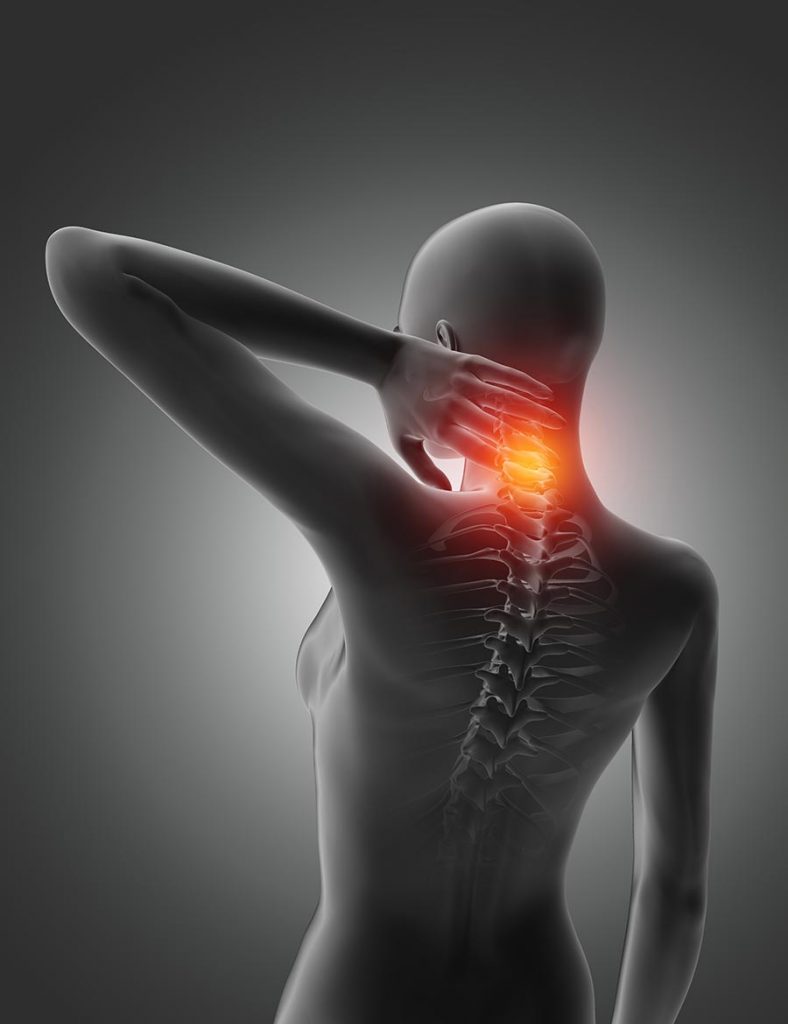
Exercise Slowly And Gently If You Feel Pain
1. Neck Rotation
- Sit straight.
- Slowly rotate your head in a circular motion, clockwise and anticlockwise.
- Repeat 5 times.
2. Side Bends
- Tilt your head to the right (ear towards shoulder).
- Hold for 5 seconds, then switch to the left.
- Repeat 5–10 times.
3. Chin Tucks
- Sit with your back straight.
- Pull your chin slightly back, as if making a “double chin”.
- Hold for 5 seconds and release.
- Repeat 8–10 times.
4. Shoulder Rolls
- Roll your shoulders slowly forward and backward.
- Do this 10 times in each direction.
5. Cat-Cow Stretch (Yoga)
- Get on your hands and knees.
- Inhale and lift your head (cow pose).
- Exhale and lower your head, arching your back (cat pose).
- Repeat 5–6 times.
Final Thought
Cervical pain is no longer just an age-related problem — it has become a lifestyle issue. The good news is that with correct posture, regular exercise, and mindful habits, you can prevent and manage it effectively. Don’t ignore early signs; small steps today can save you from bigger problems tomorrow.